
Soft vs Hard Enamel Pins: Which is better for your brand? Cost, durability & look
Enamel pins have become a powerful way for brands to express personality, share stories, and connect with audiences. But when creating your own pins, one major question always arises: Should you choose soft or hard enamel pins? What’s the difference, and which is right for you?
Today, we go beyond the basics. We dive deeper into craftsmanship, surface finishes, and even production techniques that allow one style to mimic the other. Whether you’re a designer, retailer, or brand owner, you need to understand these details. This knowledge will guarantee your pins look stunning and feel premium.
SOFT vs HARD ENAMEL PIN Comparison


SOFT ENAMEL Features
HARD ENAMEL Features
Soft Enamel Pins: Colorful, Textured, Versatile
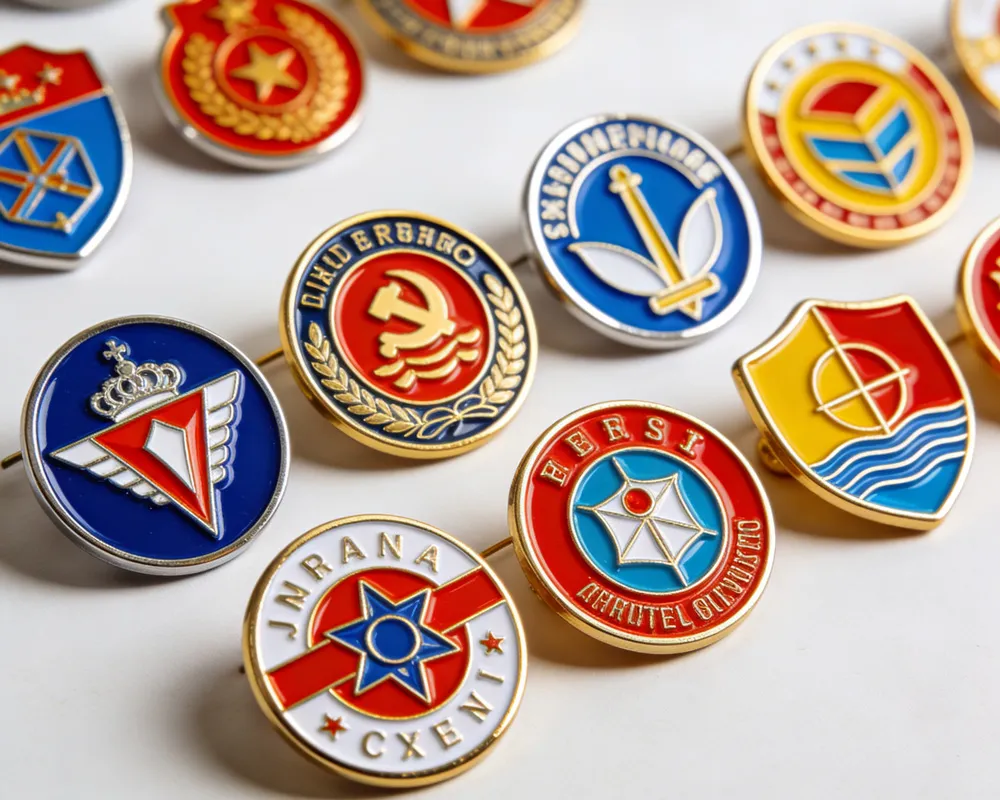
Soft enamel pins are recognized for their signature raised metal lines and recessed color areas. This natural texture gives the pin a layered, 3D effect. The process uses color paint, which settles below the metal borders and delivers vibrant visual contrast.
Soft enamel is perfect for:
- Fun or expressive designs
- Merchandise and giveaways
- Multi-color artwork
- Budget-friendly bulk orders
The production process is simpler and faster. Soft enamel pins are often more affordable. This makes them ideal for promotional campaigns or mass retail projects.
Hard Enamel Pins: Smooth, Polished, and Premium
Hard enamel pins—also known as cloisonne—offer a smooth, glass-like finish. Instead of paint, they use color paste, which is denser and more durable. Each color is baked multiple times until it becomes level with the metal lines. The entire pin is then polished flat, resulting in a sleek, scratch-resistant, high-end surface.
Hard enamel pins are favored for:
- Luxury branding
- Award medals or recognition items
- Collector editions
- Long-lasting souvenirs
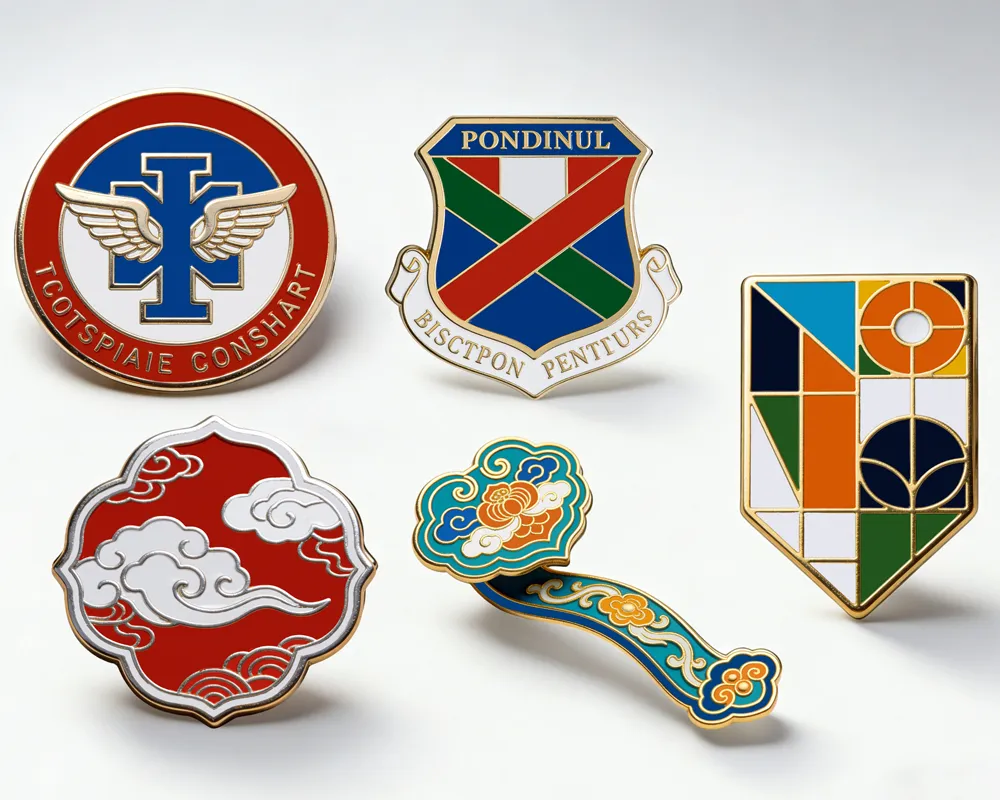
Colors are more solid, bright, and UV-resistant—perfect for premium projects.
Craftsmanship Insights: How Soft Enamel Can Mimic Hard Enamel
One of the biggest questions clients ask is: “Can soft enamel pins look like hard enamel pins?”
The answer is yes—if the production workflow is adjusted. To understand how, we must first understand the core surface difference between the two.
1. Surface Treatment: Texture vs. Smoothness
The most obvious distinction is the surface.
- Hard enamel is completely smooth and level because the enamel and metal borders are polished flush.
- Soft enamel retains its grooves because the enamel sits lower than the metal lines.
To reduce this textured feel and create a hard-enamel-like appearance:
- The pin undergoes sanding to remove uneven areas
- Followed by polishing to create a flatter, smoother surface
This minimizes the recessed texture and gives soft enamel pins a refined, semi-flat finish that visually resembles hard enamel.
2. Coloring Technique: Paint vs. Paste
Another key difference lies in the coloring material:
- Hard enamel uses color paste
- Richer tones
- Higher density
- More durable & UV-resistant
- Soft enamel uses color paint
- Thinner
- Sits lower than metal borders
To imitate the richness of hard enamel using soft enamel, manufacturers can:
- Adjust color concentration
- Control pigment ratios
- Guarantee precise filling during production
This produces colors that are brighter, more uniform, and more premium.
3. Baking & Electroplating: The Workflow Matters
The production order affects the final surface quality:
| Process | Hard Enamel | Soft Enamel |
|---|---|---|
| Step Order | Color → Baking → Polishing → Electroplating | Polishing → Electroplating → Color → Baking |
To give soft enamel a hard-enamel-like finish, the workflow can be intentionally reversed:
- Apply color earlier
- Bake before plating
- Finish with polishing + electroplating
This offers a cleaner, more refined surface—visually much closer to hard enamel.
4. Material Choice: Weight & Quality
Hard enamel pins typically use:
- Copper
- Zinc alloy
Soft enamel pins can also use iron, which is more economical.
To upgrade soft enamel and enhance the premium feel:
- Choose copper or zinc alloy instead of iron
This improves texture, weight, and overall perceived value.
Price Comparison: Soft vs Hard Enamel
Price differences come from materials, coloring techniques, polishing time, and baking cycles.
Typical Pricing Trend
- Soft enamel pins → Lower cost
- Simpler workflow
- Iron optional
- Hard enamel pins → Higher cost
- Multiple polishing steps
- Higher-density enamel paste
- Copper recommended
- Longer baking cycles
On average, hard enamel pins cost 20%–50% more than soft enamel pins, depending on size and order quantity.
If you want the look of hard enamel without the price tag, choose optimized soft enamel. It is an excellent choice using the techniques above.
How to Choose the Right Pin for Your Brand
- Consider the purpose — soft enamel for fun giveaways, hard enamel for premium branding
- Check your budget — soft enamel is cheaper for bulk orders
- Think about durability — hard enamel lasts longer for awards or commemorative pins
- Decide on style — textured vs smooth finish can affect the perceived value of your brand
Practical Tips for Ordering Custom Enamel Pins
- Define quantity and timeline — confirming early ensures smooth production
- Design carefully — clear logos, balanced colors, and readable text enhance brand recognition
- Add optional features — butterfly clutch, magnetic backing, epoxy coating, or presentation boxes
- Review samples — request samples to check colors, polish, and finish before full production
Why Choose Magical Gifts Ltd
- Over 10 years of experience in custom enamel pins and metal gifts
- Professional design support for logos, text, and artwork
- Strict quality control for consistent batch results
- Flexible minimum order quantity (MOQ) to suit both small and large orders
Whether you need soft enamel pins for giveaways or hard enamel pins for premium awards, we provide tailored solutions for your brand.
FAQ — Soft & Hard Enamel Pins
Q: What is the difference between soft and hard enamel pins?
A: Soft enamel pins have recessed colored areas with raised metal borders, giving a textured finish. Hard enamel pins are polished smooth, more durable, and provide a premium look.
Q: Which type is better for branding?
A: Soft enamel is great for colorful, budget-friendly bulk orders, while hard enamel is ideal for professional, collectible, or award pins.
Q: Can pins be fully customized?
A: Yes, both soft and hard enamel pins can include logos, text, shapes, colors, and backing options.
Q: How long does production take?
A: Typical lead time is 12–25 business days depending on quantity and pin type. Rush options are available.
Q: Do you provide samples?
A: Yes. Samples are available for review, and sample fees can usually be applied to bulk orders
Call to Action
Ready to create custom enamel pins that make your brand shine? Contact us today for a free quote, design support, and sample preview: Contact us or email sophie@magicalgiftsltd.com.